Potential Is Not the Same as Preparedness
Why ability alone is not enough—and what young men must build before responsibility arrives.
Read article →Ideas, observations, and practical insight from Champion Institute on helping young men develop the character, discipline, judgment, faith, and readiness that adulthood will require.
The visible result matters. Our writing focuses on the developmental work that makes the result sustainable.
Why ability alone is not enough—and what young men must build before responsibility arrives.
Read article →Looking beyond the report card to the systems, habits, and ownership that sustain performance.
Read article →Why durable growth requires training, coaching, assessment, and real responsibility.
Read article →Why getting in and being ready to perform once independence increases are two different things.
Read article →Visible achievement matters. So do ownership, judgment, communication, recovery, and self-governance.
Read article →The world eventually asks for more than talent. It asks a young man to carry responsibility consistently.
Read article →A young man can be intelligent, talented, gifted, and still be unprepared to carry the demands attached to his potential.
Potential is possibility. Preparedness is capacity. The difference matters because life eventually asks every young man to do more than demonstrate what he could become. It asks him to manage time, keep commitments, make decisions under pressure, recover from mistakes, communicate clearly, regulate emotion, and execute when no one is standing over him.
Those abilities do not automatically arrive with age. They must be developed.
As opportunity increases, so does responsibility. A more demanding school schedule, a job, college, leadership, relationships, money, and eventually family all require internal systems. Without those systems, even a capable young man can become overwhelmed by the very opportunities he worked to obtain.
At Champion Institute, we treat readiness as something that can be taught, trained, coached, assessed, and strengthened. A young man learns to plan, follow through, examine the consequences of decisions, accept correction, communicate when he is struggling, and take increasing ownership of his life.
The objective is not perfection. The objective is growing capacity: the ability to carry more without losing himself in the process.
Too often, developmental work begins after something goes wrong. We believe preparation should happen earlier. The better question is not only, “Is he doing well right now?” It is also, “Is he building what he will need next?”
That is the work of readiness. It is how potential becomes sustainable.
A report card shows the outcome. It does not show the invisible systems that produced it.
Parents naturally pay attention to grades. They should. Academic performance opens and closes doors. But the number on the page is only one layer of the story.
Behind a strong grade is often a set of less visible behaviors: planning, studying before urgency arrives, asking for help, managing distractions, tracking assignments, recovering from a poor performance, communicating with teachers, and making daily choices that protect long-term goals.
When adults carry all of the academic management, a student can appear successful while remaining dependent. Real growth occurs when the young man increasingly knows what is due, what he does not understand, what needs attention, and what he is going to do about it.
Strong students also need coaching. A high-achieving young man may already know how to earn good grades but still need to improve execution under pressure, manage competing priorities, deepen study habits, communicate professionally, or prepare for the higher level of independence expected in college and adulthood.
Academic ownership is ultimately a life skill. The same habits that help a young man manage school will later help him manage work, finances, relationships, leadership, and personal commitments.
The grade is visible. The young man behind the grade is what we are building.
Encouragement can spark movement. Development creates the capacity to keep moving when encouragement is no longer in the room.
Young men need people who believe in them. They need affirmation, encouragement, vision, and hope. But motivation by itself is temporary. A speech can inspire a young man on Saturday and still leave him without a system for Monday morning.
Durable growth requires something more structured.
A young man first needs clarity. What does responsibility look like? What does leadership require? What does disciplined execution actually mean in daily life?
Understanding is not mastery. He needs repetition—opportunities to plan, present, lead, make decisions, solve problems, manage commitments, and apply what he has learned.
Growth accelerates when feedback is immediate and specific. Coaching helps a young man identify what worked, what failed, what he missed, and what he will do differently next time. Assessment turns experience into learning.
Leadership cannot remain theoretical. Young men need responsibilities that matter, decisions that carry consequences, and environments where they are expected to contribute rather than merely attend.
Motivation has a place. But the aim is deeper: identity, discipline, judgment, and capacity strong enough to remain when the room gets quiet.
A college acceptance letter confirms access. It does not automatically confirm readiness for the independence, workload, judgment, and recovery college will require.
A young man can perform well in high school and still arrive on a college campus without the systems needed to manage greater freedom. The schedule changes. Supervision decreases. Professors may not remind him. Assignments become longer, expectations become less forgiving, and one poor week can quickly become an academic problem.
Competitive admission requires grades, course rigor, testing, activities, and positioning. College performance requires something additional: planning, independent study, communication, help-seeking, time management, emotional regulation, and the ability to recover quickly when something goes wrong.
When a parent, teacher, or coach is no longer providing daily reminders, a young man’s internal systems become visible. Does he know where he stands? Can he initiate work without urgency? Can he speak with a professor before a problem becomes a crisis? Can he protect his priorities when distractions are everywhere?
College readiness should begin well before senior year. A young man can practice ownership now: tracking performance, planning his week, communicating with adults, preparing for major assessments, balancing competing commitments, and learning how he responds to pressure.
Admission opens the door. Readiness helps him stay in the room and perform.
A strong grade can tell you that a young man is producing. It cannot tell you everything about how he is carrying responsibility.
Parents should celebrate academic achievement. But development is broader than the report card. The deeper question is whether the young man is becoming increasingly capable of managing the responsibilities attached to his age, opportunity, and future.
Does he know what is due, where he stands, and what requires attention—or does an adult have to carry that information for him?
Can he manage time, distractions, habits, devices, and competing priorities when no one is standing over him?
Does he consider consequences, values, and standards before making decisions, especially when the easier choice is available?
Can he explain himself clearly, ask for help appropriately, accept correction, and recover after a mistake without collapsing into avoidance or defensiveness?
These are not side issues. They are the capacities that allow achievement to become sustainable as expectations increase.
The world will eventually ask a young man to carry things no résumé, GPA, or title can carry for him.
Talent matters. Education matters. Opportunity matters. But as responsibility increases, the world begins asking questions that are harder to measure: Can he be trusted? Can he finish what he starts? Can he make sound decisions when the pressure is real? Can he communicate with people he disagrees with? Can he recover after failure? Can he lead himself before trying to lead others?
There will be days when no one is cheering and the work still has to be done. Discipline is the ability to continue carrying responsibility when emotion is no longer doing the work for you.
Adulthood regularly presents situations without a perfect script. A young man needs principles, perspective, and the habit of thinking beyond the immediate moment.
Work, leadership, marriage, fatherhood, community, and professional life all require the ability to listen, speak clearly, advocate appropriately, resolve conflict, and remain grounded under pressure.
A young man who knows what he believes, who he is becoming, and what standards govern his choices is better prepared to enter environments that will test all three.
That is why the Build begins now. We are developing capacities today that the world will eventually demand without warning.
These previously published Champion Institute articles are preserved here with their original publication dates and web addresses as the Journal moves into the new site.

Boys and young men are growing up in a world that often measures them by outcomes before they have been properly developed for the demands of those outcomes.
Read archived post →
Champion Institute | Life Build Academy prepares boys and young men for academic and vocational development by building the internal readiness required for real opportunity.
Read archived post →
Something meaningful is happening around Champion Institute | Life Build Academy. Mothers are asking questions, making calls, and sharing what Champion Institute has meant in the lives of their sons.
Read archived post →
Every boy and young man carries within him a desire for personal Champion-hood. The invisible things are the qualities and capacities that shape him before the world sees the outcome.
Read archived post →
100 Men for Champions — Building the Invisible Things. The most important qualities are often invisible.
Read archived post →
100 Women for Champions — Building the Invisible Things. Because the qualities that matter most are often the ones we never see.
Read archived post →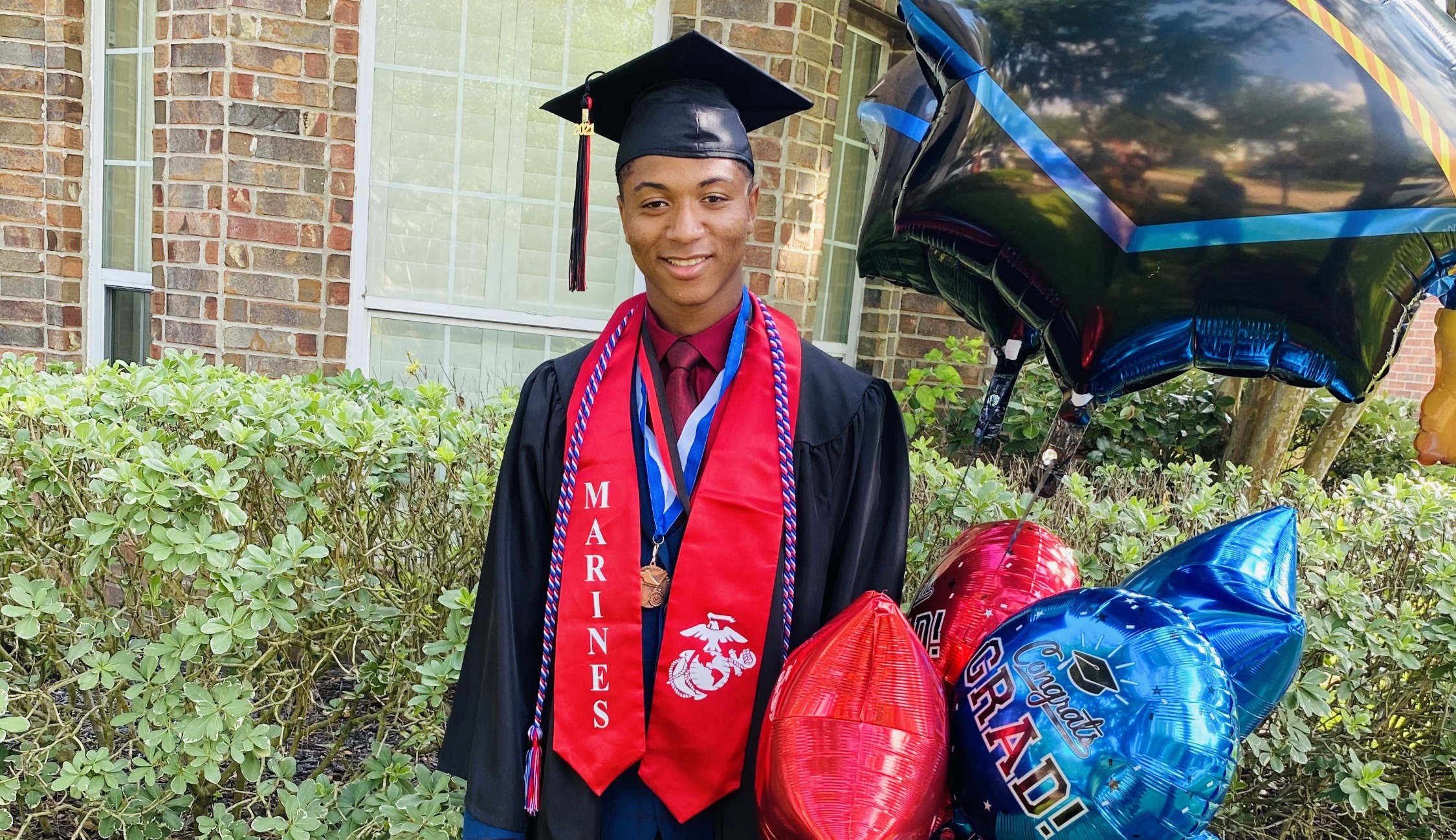
At the young age 15, Hassan was referred to Champion Institute by a social worker. He went on to complete high school and begin a new journey of service.
Read archived post →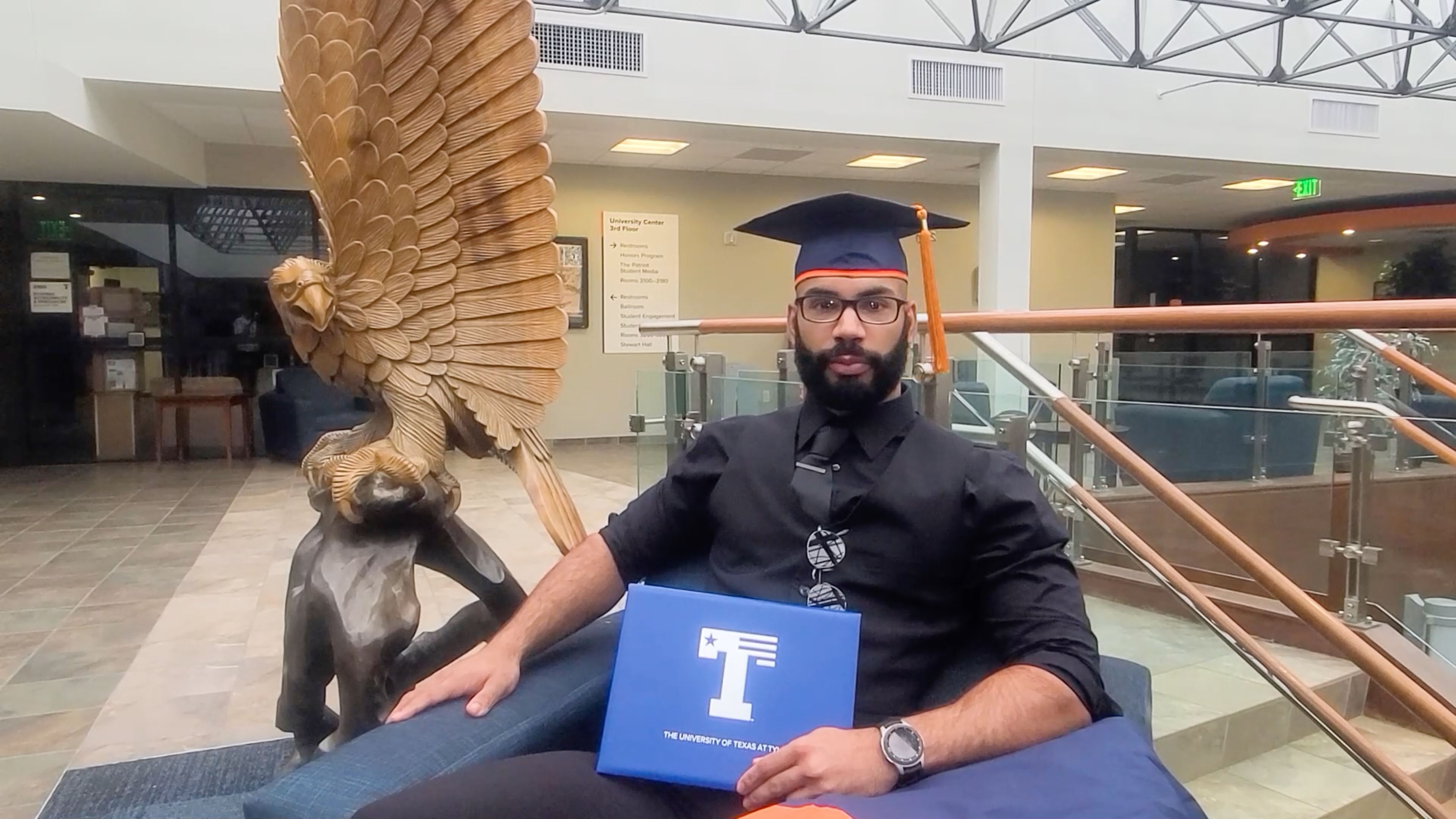
At 18-years-old Ryan was engulfed in despair. Through Champion Institute’s coaching and discipleship, he flourished academically and became a registered nurse.
Read archived post →
One step closer to his lifelong dream of serving his country, Ronald recounts overcoming significant obstacles with mentoring and coaching support.
Read archived post →Explore Life Build Academy, our developmental model, and the work of preparing young men for the world they will enter.